If you are thinking about buying a rental property in Nashua, the short answer is: it can be a smart investment, but only with the right strategy. Nashua has clear signs of renter demand, a solid local job base, and ongoing housing pressure, yet today’s home prices and property taxes can make the numbers feel tight. If you want to know where the opportunity is, what risks to watch, and how to evaluate a deal with a clear head, this guide will walk you through it. Let’s dive in.
Nashua Rental Market Overview
Nashua has several traits that support long-term rental demand. The city has 91,331 residents, a 55.8% owner-occupied housing rate, and a median gross rent of $1,737, according to the U.S. Census QuickFacts for Nashua. Compared with Hillsborough County overall, Nashua is less owner-heavy and has slightly higher rents, which suggests a stronger renter presence within the city itself.
Recent pricing also shows why investors are paying attention. Zillow’s February 2026 snapshot put the average Nashua home value at $493,620 and average rent at $2,177, while the research report notes Redfin’s February 2026 median sale price at $522,500. That combination points to a market where demand exists, but easy monthly cash flow is harder to find.
The local economy adds another layer of support. In the Manchester-Nashua metro area labor report, the unemployment rate was 3.2% in September 2025, and average hourly wages were above the national average. For a rental owner, that matters because a stable job market often supports tenant demand and rent stability over time.
Why Renter Demand Looks Real
Nashua’s own planning documents point to ongoing housing pressure. The city’s housing study found that one-person renter households rose by 12% and two-person renter households rose by 22% between 2013 and 2018. The same study said Nashua would need 5,000 new housing units by 2030.
That matters because it suggests demand is not just theoretical. Smaller renter households are growing, and city planning materials indicate the existing housing supply has not fully kept up. For an investor, that can support the case for rentals that match how people actually live today.
Nashua also has a diverse working-age population. The research report notes that 17.2% of residents were foreign-born, 22.8% of residents age 5 and older spoke a language other than English at home, and the mean commute time was 26 minutes, based on public data cited in the report. These are useful signals of an active, varied renter base rather than a one-dimensional housing market.
Best Rental Property Types in Nashua
If you are asking what kind of property may fit Nashua best, the research points toward smaller residential rentals. Nashua’s public housing information shows the city includes single-family houses, apartments, and condominiums, while its planning materials describe a housing stock that is still heavily weighted toward single-family homes and smaller buildings.
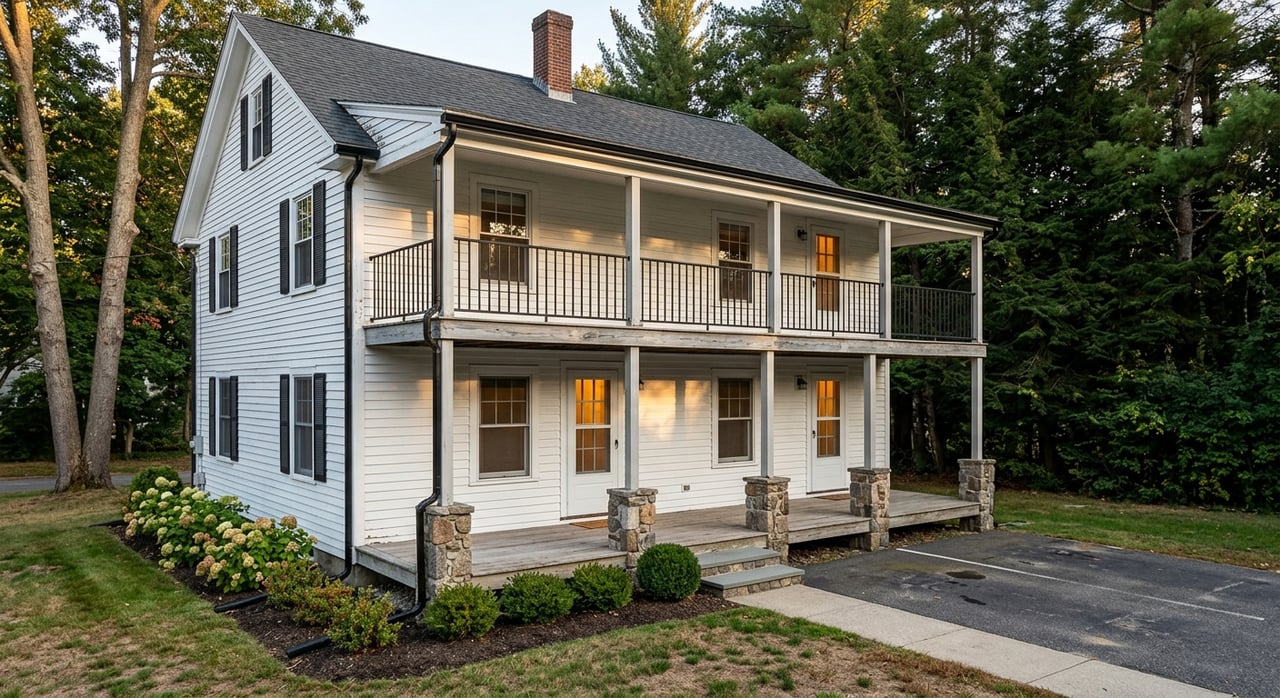
The city’s housing study suggests that growth in one- and two-person renter households may line up better with compact units, duplexes, triplexes, and other small multifamily properties than with large single-family rentals. That is not a promise of stronger returns, but it is a practical signal about local demand patterns.
Location type matters too. Nashua’s neighborhood overview describes a mix of downtown, historic urban neighborhoods, and more suburban areas. The research report also highlights planning attention on the Millyard District for housing, economic development, and public amenities, which may make walkable or near-downtown locations especially worth a closer look.
Cash Flow Is the Main Challenge
Here is where many investors need to slow down. Using Zillow’s average home value of $493,620 and average rent of $2,177, annual gross rent comes to about $26,124, which is a gross rental yield of roughly 5.3%, based on the math in the research report and Zillow’s Nashua data.
That may sound workable at first, but expenses can quickly narrow the margin. Nashua’s 2025 property tax rate was $16.83 per $1,000 of assessed value, which would mean about $692 per month in property taxes on a $493,620 property. The research report also estimates that with 20% down and a 6% 30-year fixed loan, principal and interest would be around $2,368 per month.
That puts the combined monthly total at about $3,060 before insurance, maintenance, vacancy, and management. Against average rent of $2,177, that example runs about $883 per month negative before operating reserves. In plain terms, Nashua is usually not a market where you can buy an average property at an average price with typical leverage and expect easy day-one cash flow.
When a Nashua Rental Can Make Sense
A Nashua rental can still be a smart investment if your strategy matches the market. The research report makes a strong case that success is more likely when you:
- Put more money down
- Buy below the citywide average price
- Improve the property through renovation or better management
- Focus on appreciation or long-term value growth, not immediate cash flow alone
This is why many investors look more closely at value-add opportunities instead of turnkey properties. If you can improve condition, layout, or presentation, you may be able to create stronger rent potential than the current numbers suggest. In a tight-margin market, buying well often matters more than simply buying.
Operating Risks to Understand First
Before you buy, it is important to look beyond price and rent. In Nashua, landlord responsibilities are real, and older housing stock can come with added compliance costs.
Under New Hampshire law, landlords generally cannot demand more than one month’s rent or $100, whichever is greater, for a security deposit. The law also requires a signed receipt, trust handling of deposits, interest on deposits held for a year or more, and return of the deposit within 30 days after tenancy ends, as outlined in New Hampshire RSA 540-A:6.
Maintenance standards matter just as much. Nashua’s housing code FAQ states that landlords must provide safe, sanitary housing. Common issues include plumbing problems, unsafe wiring, leaks, lack of hot water, unsafe heat, pests, and nonworking smoke detectors.
If you are considering an older property, lead safety can be a major factor. The research report notes that certain rental units in buildings erected before January 1, 1978 require lead-safety certification before being rented, and state law also requires smoke and carbon monoxide detection in rental units and multi-unit dwellings under New Hampshire RSA 153:10-a. These are not small details. They can affect your budget, renovation scope, and timing.
Code Enforcement and Fair Housing Matter
Nashua is not a hands-off city when it comes to rental housing. City materials show apartment inspections and code enforcement activity, and unresolved violations can lead to citations. The city also offers a Rental Improvement Program with 0% interest loans for investor-owned rental properties to address serious code, safety, health, or accessibility issues.
That tells you something important about the local market. Nashua can reward owners who stay proactive about maintenance and compliance, but it is not well suited for a neglect-and-hold approach.
Fair housing compliance is essential as well. Nashua’s fair housing page lists federal and state anti-discrimination protections that landlords must follow. If you plan to own rental property here, fair and consistent screening, leasing, and property management practices are part of the job.
So, Is It a Smart Investment?
For many buyers, the honest answer is yes, but selectively. Nashua has real renter demand, a supportive labor market, and documented housing need. Those are strong fundamentals.
At the same time, current home prices, property taxes, and financing costs make it a market where discipline matters. The strongest case is usually a small multifamily or value-add property in a location that aligns with renter demand, especially in or near more walkable, amenity-rich parts of the city. The weakest case is a fully leveraged, turnkey purchase at today’s average price with the expectation of comfortable monthly cash flow from day one.
If you are comparing options in southern New Hampshire, it helps to look at Nashua through both an investor lens and a lifestyle lens. The right property is not just about the headline rent. It is about purchase basis, upkeep costs, location fit, and your timeline for returns.
If you want help evaluating whether a Nashua property fits your goals, Alex Betses can help you look at the opportunity with local perspective and a practical eye for long-term value.
FAQs
Is Nashua, NH a good place to buy a rental property?
- Nashua can be a good place to buy a rental property if you are selective, because the city shows solid renter demand and housing pressure, but average prices and taxes can make cash flow tight.
What type of rental property may work best in Nashua?
- Based on the city’s housing study, smaller rentals such as compact units, duplexes, triplexes, and other small multifamily properties may align better with growing one- and two-person renter households.
Does rental property in Nashua usually cash flow right away?
- The research report suggests many average-price, fully leveraged purchases may not cash flow comfortably from day one, especially once taxes, financing, insurance, and maintenance are included.
What landlord rules should investors know in Nashua, NH?
- Investors should understand New Hampshire security deposit rules, eviction notice standards, smoke and carbon monoxide detector requirements, lead-safety rules for certain older properties, and Nashua’s housing code obligations.
Are downtown Nashua rentals more attractive to tenants?
- The city’s planning materials suggest that downtown or near-downtown areas may appeal to renters who value walkability, access to amenities, and urban-style living.
What makes a Nashua rental investment stronger?
- A stronger Nashua investment often starts with a disciplined purchase price, larger down payment, value-add potential, and a long-term plan that does not depend on easy short-term cash flow.