Looking for a Nashua neighborhood where you can walk to dinner, then hit wooded trails the next morning? If you love historic details and a quieter, residential feel near the city core, the North End may be a fit. In this guide, you’ll learn how the area is defined, what types of homes you’ll find, commuting options, parks and amenities, and what to check before you buy. Let’s dive in.
Where the North End is
Locals use “North End” to describe the residential area just north of Nashua’s downtown core along the Nashua River. Boundaries can vary by who you ask. For this guide, think of the North End as the close-in neighborhoods north of downtown with quick access to the river, Mine Falls Park, and Main Street. The feel shifts block by block, but proximity to downtown is the common thread.
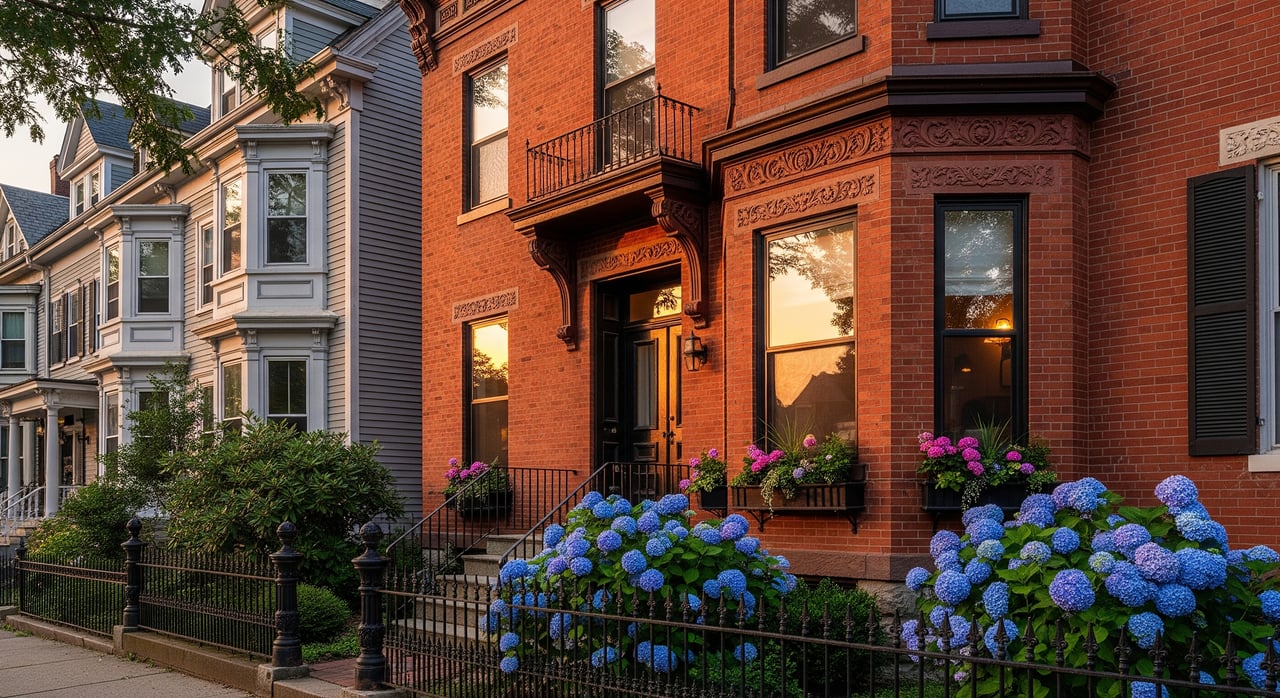
This is one of Nashua’s older residential districts. You’ll see streets with sidewalks and trees, homes from the late 19th and early 20th centuries, and clusters of small multifamily buildings mixed with single-family houses. The area offers a quieter setting than the commercial corridors while keeping you close to downtown services and the riverfront.
Homes and architecture
What you’ll find
- Older single-family homes with period details like front porches, wood trim, and varied rooflines.
- Duplexes and 2–4 unit buildings on smaller lots that reflect the neighborhood’s mill-town growth pattern.
- Small apartment buildings and a handful of condos or loft-style units, especially closer to downtown where conversions are more common.
- A mix of narrower streets, short front yards, and sidewalks that encourage neighborhood strolls.
The housing stock reflects multiple eras. You may spot Victorian and Colonial influences, mill-era homes, and selective infill on subdivided lots. Some blocks feel leafy and quiet, while others are more active near mixed-use stretches that lead toward Main Street.
Pricing and how to check
Prices shift with condition, lot size, unit count, and exact location. Because numbers change month to month, get your pricing from current, hyperlocal sources. Ask your agent for an MLS snapshot of recent North End sales, cross-check parcel history in the City of Nashua assessor database, and review neighborhood-level trends from local Realtor associations. Public real estate websites can help you visualize trends, but online estimates can miss the mark on older homes and unique properties. When you look at numbers, always note the date.
Older-home buyer checklist
Many North End homes were built before modern codes, which is part of their charm. It also means you should plan for extra due diligence.
- Systems and structure: Have a full home inspection. Pay close attention to electrical panels and wiring, plumbing supply lines, heating systems, roof age, and foundation or masonry.
- Lead paint and insulation: Older homes may have lead-based paint and less insulation than newer builds. Ask about prior remediation and energy upgrades.
- Moisture management: Check basements and attics for ventilation, moisture, or past water intrusion. Repairing drainage and flashing can protect historic materials.
- Permits and past work: Review the City’s building permit history to confirm major updates were properly approved.
- Condos and conversions: If a unit is part of an association or a mill conversion, request condo documents, budgets, and rules early in the process.
- Floodplain check: For homes near the river, review FEMA flood maps and ask your insurer about flood insurance requirements and costs.
Ownership patterns
You’ll see a mix of owner-occupied properties and investor-owned rentals. That blend can influence factors like parking demand, trash day routines, and how quickly snow gets cleared. When you tour, visit at different times of day to get a feel for the block.
Zoning and use
Zoning includes residential districts and some mixed-use areas closer to downtown. If you plan a renovation, an accessory dwelling unit, or a use change, consult City of Nashua planning and zoning staff for what is permitted on your parcel.
Lifestyle and amenities
Parks and river access
Mine Falls Park is the North End’s green anchor. The park’s wooded trails, fields, and river access draw walkers, runners, cyclists, and dog owners through all seasons. Connections to the riverwalk make it easy to reach downtown by foot or bike while staying off busy streets. If outdoor time is part of your daily routine, this is a major lifestyle benefit.
Dining, arts, and errands
Downtown Nashua sits just south of the neighborhood. Many addresses are within a short walk to cafés, restaurants, shops, galleries, and seasonal events. You also have nearby access to the public library, municipal services, and everyday essentials. The closer you are to the core, the more you’ll feel that street-level convenience.
Schools and childcare overview
Public schools are administered by the Nashua School District. School assignments depend on district boundaries, which can change. If schools are part of your decision, check the district’s current boundary maps and review New Hampshire Department of Education data for the latest information. Private and parochial options exist in the greater Nashua area, and availability varies by year.
Safety and services
Safety perceptions can vary by block and change over time. To get an accurate picture, review Nashua Police Department statistics and recent neighborhood reports. Look at trends rather than a single data point. You can also confirm municipal services such as trash pickup schedules, winter snow removal, and street parking rules with the City.
Health care
Hospitals, urgent care, and specialty clinics are available in the Nashua region. Before you move, check current providers and your insurance network to confirm access and travel times from your specific address.
Getting around
Walkability and local trips
A core benefit of the North End is the ability to walk to downtown for dining, coffee, errands, and events. Many streets have sidewalks and shorter blocks, which makes everyday walking practical. If you prefer to keep most daily trips close to home, this layout helps.
Commuting to Boston and beyond
For regional commutes, Nashua does not currently have direct commuter rail service into Boston. Most commuters drive via Route 3 and connecting interstates, or use nearby park-and-ride lots to reach Massachusetts rail stations. Municipal bus routes serve local trips within the city, so check current route maps for stops near your block. Drive times to Boston, the Cambridge-Newton-Framingham corridor, or Manchester vary with traffic and time of day.
Parking and traffic
Close-in, older streets can have tighter driveways and more competition for on-street spots. Some areas use posted rules or permits, which are set by the City. Peak-hour congestion increases near the highway approaches and major arterials, especially during commuter windows.
Is the North End right for you?
The North End works well if you want a historic neighborhood close to downtown with strong access to parks and trails. You trade larger lots for walkability and convenience. You may also plan for ongoing maintenance that comes with older homes. If you like character, porch conversations, and quick trips to Main Street, this setting can be a great match.
How to tour homes like a pro
Use this quick plan to evaluate homes and the block around them.
- Start outside: Look at roof condition, gutters, grading, and foundation cracks.
- Systems review: Ask about age of heating, electrical upgrades, and plumbing materials.
- Windows and insulation: Open a window, check for smooth operation, drafts, and storm windows.
- Water and moisture: Inspect basement and attic for signs of past leaks or condensation.
- Lead paint and safety: If the home predates 1978, discuss lead testing and safe renovation practices.
- Flood review: Verify whether the lot touches a floodplain and ask about flood insurance.
- Parking and access: Confirm driveway width, garage access, and on-street parking rules.
- Permits and associations: Request permit history. For condos, review budgets, reserves, and rules.
- Visit twice: Stop by at different times to gauge noise, traffic, and lighting.
Next steps
If you’re weighing the North End against other southern New Hampshire neighborhoods, a local guide can save you time and stress. You deserve a clear read on pricing, condition, and lifestyle fit at the block level. When you are ready, reach out for a tailored tour and current comps for the homes that match your goals.
Ready to explore North End listings or compare nearby options? Connect with Alex Betses for neighborhood-level guidance, on-the-ground touring strategies, and a plan to compete with confidence.
FAQs
What counts as Nashua’s North End?
- It generally refers to the close-in residential area north of downtown along the Nashua River, with quick access to Main Street and Mine Falls Park; boundaries are approximate and can vary.
Does Nashua’s North End have direct train service to Boston?
- No. Nashua does not currently have direct commuter rail service into Boston; most commuters drive or connect to nearby Massachusetts rail stations.
Is the North End walkable to downtown Nashua restaurants and shops?
- Many addresses are within a short walk to Main Street, cafés, and services; exact walk times depend on your block and route.
What types of homes are in Nashua’s North End?
- You’ll find older single-family homes, duplexes and 2–4 unit buildings, small apartment properties, and some condos or loft-style conversions near downtown.
Are there flood risks near the Nashua River?
- Some properties near the river may sit in or near mapped floodplains; review FEMA flood maps and confirm insurance requirements with your agent and insurer.
How are public schools assigned in Nashua?
- The Nashua School District assigns schools by boundary; always verify current boundaries and review state education data, since lines and performance metrics can change.
What should I check when touring an older North End home?
- Focus on systems, roof and foundation, moisture control, lead paint, insulation, prior permits, parking, and any condo association rules for multifamily or conversion properties.